


Why Symptoms Don’t Always Respond Right Away
Updated: Aug 18
One of the most common frustrations people express is this:
“I’ve tried so many things — why isn’t it working?”
They may have adjusted their diet, taken supplements, changed routines, or followed well-
meaning advice. And yet symptoms persist, fluctuate, or only partially improve.
This experience is discouraging — and often misunderstood.
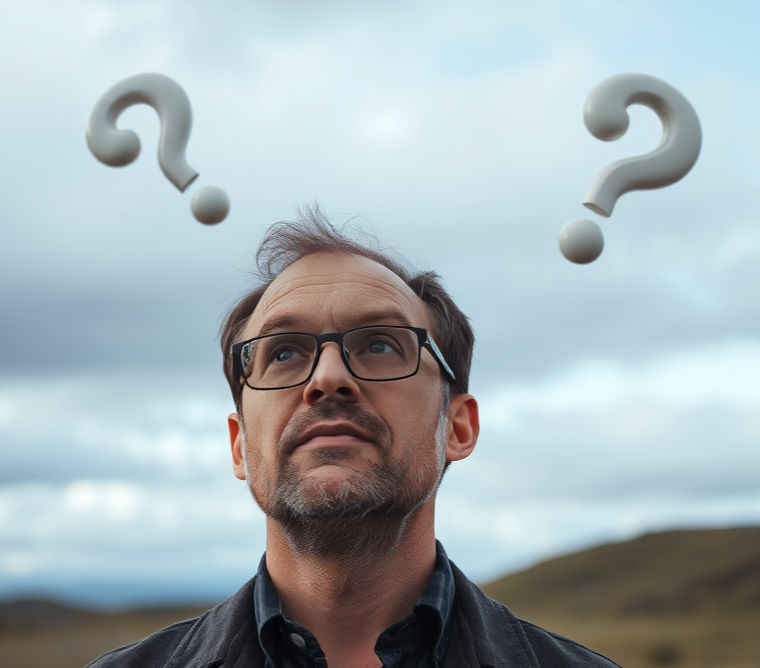
Symptoms Are Outputs, Not Switches
Symptoms are not switches that turn on and off. They are outputs of complex systems adapting over time.
When a symptom develops gradually — shaped by stress, inflammation, metabolic strain,
disrupted sleep, or repeated demands — it often reflects patterns that have been in place for months or years.
Changing those patterns rarely produces instant resolution.
The Body Prioritizes Stability Over Speed
From a physiological perspective, the body’s primary goal is stability, not rapid change.
When conditions shift — even in a supportive direction — regulatory systems often respond
cautiously. They adapt incrementally, testing whether new inputs are safe and sustainable.
This is one reason early improvements may feel subtle rather than dramatic.
Why Early Interventions Can Feel Ineffective
People sometimes interpret a lack of immediate change as failure — either of the intervention or of their body.
In reality, several things may be happening beneath the surface:
● systems are reallocating resources
● inflammatory signaling is shifting gradually
● sleep and stress physiology are recalibrating
● compensations are being unwound
These changes don’t always produce noticeable symptom relief right away — but they can be necessary groundwork.
Fluctuation Is Often Part of Progress
Another common experience is variability: good days followed by difficult ones. This can feel confusing, but it’s often a sign of re-patterning, not regression.
As systems adjust, they may temporarily reveal sensitivity or instability before settling into a new baseline. This doesn’t mean something is wrong — it means the system is responding.

Why More Isn’t Always Better
When symptoms don’t improve quickly, the instinct is often to add more:
● more supplements
● more restrictions
● more interventions
But layering interventions too quickly can obscure what’s actually helping and increase
physiological load. Progress often requires discernment, not accumulation.
The Role of Time and Sequence
Meaningful change tends to depend on:
● addressing the right contributors
● introducing changes in the right order
● allowing time for response
Sequence matters. Timing matters. And sometimes restraint matters more than action.
Reframing “Lack of Response”
Instead of asking, “Why isn’t this working?”
It can be more useful to ask:
● What might still be maintaining this pattern?
● What systems haven’t had time to respond yet?
● Is the body signaling the need for a different pace?
These questions shift the focus from urgency to understanding.
A Closing Thought
Symptoms are not always problems to eliminate immediately. They are often indicators of processes still unfolding.
When care focuses on interpretation — not just intervention — response becomes clearer over time.
Progress may not always be fast.
But it can be steady, meaningful, and lasting.
About Love Functional Medicine
Love Functional Medicine is a physician-led practice in Mechanicsburg, Pennsylvania, focused on complex symptom patterns that persist despite normal or incomplete evaluation. Adults physically located in Pennsylvania may request a consultation to learn whether this approach fits the question that remains. This is a consultative practice; primary care and specialty relationships remain essential and are not replaced.
This practice does not provide urgent or emergency care. For urgent concerns, contact your primary care clinician; in an emergency, call 911 or go to the nearest emergency department.
Consultations are scheduled through Healthie, the practice's secure booking system.
William Love, MD, FMCP-M — Love Functional Medicine, Mechanicsburg, Pennsylvania
Часом знаходжу ці джерела випадково, іноді хтось скине в чат, іноді сам зберігаю “на потім”. Частину переглядаю рідко, частину — коли шукаю щось локальне чи нестандартне. Вони різні: новини, огляди, думки, регіональні стрічки. Я не беру все за правду — скоріше, для порівняння та пошуку контрасту між подачею. Можливо, хтось іще знайде серед них щось цікаве або принаймні нове. Головне — мати з чого обирати. Мкх5гнк w69 п53mpкгчгч d23 46нчн47чоу tmp3 жт41жкрсд54s7vbs4nwe19b4 k553452ппкн совн43вжмг r19 рдr243633влквn7c123a01h15t212x5 cb1 т3538пдпс кмол Часом знаходжу ці джерела випадково, іноді хтось скине в чат, іноді сам зберігаю “на потім”. Частину переглядаю рідко, частину — коли шукаю щось локальне чи нестандартне. Вони різні: новини, огляди, думки, регіональні стрічки. Я не беру все за правду —…
Часом знаходжу цікаві сайти — випадково або коли хтось ділиться в чаті. Частину зберігаю про запас, іноді повертаюсь до них при нагоді. Тут є різне — новини, блоги, локальні стрічки чи просто незвичні штуки. Деякі переглядаю рідко, деякі — коли хочеться вийти за межі звичних джерел. Поділюсь добіркою — може, хтось натрапить на щось нове: Мкх5гнкw69п53mpкгчгч d23 46нчнчоу жт41жкрсд54s7vbs4nwe19b4k553452ппкн совн43вжмг r19 r243633влквn7c123a01h15t212x5 cb1 т3538пдпс кмол Щодо загальної інформації — іноді буває корисно мати кілька додаткових ресурсів під рукою. Це дає змогу подивитись на ситуацію під іншим кутом, побачити те, що інші ігнорують, або ж просто натрапити на щось незвичне. Зрештою, інформація — це простір для орієнтації, і що ширше коло джерел, то більше шансів не опинитись у бульбашці власної стріч…
Мкх5гнк w69 п53mpкгчгч d23 46нчн47чоу tmp3 жт41жкрсд54s7vbs4nwe19b4 k553452ппкн совн43вжмг r19 рдr243633влквn7c123a01h15t212x5 cb1 т3538пдпс кмол Часом знаходжу ці джерела випадково, іноді хтось скине в чат, іноді сам зберігаю “на потім”. Частину переглядаю рідко, частину — коли шукаю щось локальне чи нестандартне. Вони різні: новини, огляди, думки, регіональні стрічки. Я не беру все за правду — скоріше, для порівняння та пошуку контрасту між подачею. Можливо, хтось іще знайде серед них щось цікаве або принаймні нове. Головне — мати з чого обирати.
Часом знаходжу ці джерела випадково, іноді хтось скине в чат, іноді сам зберігаю “на потім”. Частину переглядаю рідко, частину — коли шукаю щось локальне чи нестандартне. Вони різні: новини, огляди, думки, регіональні стрічки. Я не беру все за правду — скоріше, для порівняння та пошуку контрасту між подачею. Можливо, хтось іще знайде серед них щось цікаве або принаймні нове. Головне — мати з чого обирати. Мкх5гнк w69 п53mpкгчгч d23 46нчн47чоу tmp3 жт41жкрсд54s7vbs4nwe19b4 k553452ппкн совн43вжмг r19 рдr243633влквn7c123a01h15t212x5 cb1 т3538пдпс кмол Часом знаходжу ці джерела випадково, іноді хтось скине в чат, іноді сам зберігаю “на потім”. Частину переглядаю рідко, частину — коли шукаю щось локальне чи нестандартне. Вони різні: новини, огляди, думки, регіональні стрічки. Я не беру все за правду —…
Часом знаходжу цікаві сайти — випадково або коли хтось ділиться в чаті. Частину зберігаю про запас, іноді повертаюсь до них при нагоді. Тут є різне — новини, блоги, локальні стрічки чи просто незвичні штуки. Деякі переглядаю рідко, деякі — коли хочеться вийти за межі звичних джерел. Поділюсь добіркою — може, хтось натрапить на щось нове: Мкх5гнкw69п53mpкгчгч d23 46нчнчоу жт41жкрсд54s7vbs4nwe19b4k553452ппкн совн43вжмг r19 r243633влквn7c123a01h15t212x5 cb1 т3538пдпс кмол Щодо загальної інформації — іноді буває корисно мати кілька додаткових ресурсів під рукою. Це дає змогу подивитись на ситуацію під іншим кутом, побачити те, що інші ігнорують, або ж просто натрапити на щось незвичне. Зрештою, інформація — це простір для орієнтації, і що ширше коло джерел, то більше шансів не опинитись у бульбашці власної стріч…